The Legacy of Nyonya Cuisine: A Historical Perspective
Nyonya cuisine, also known as Peranakan or Straits Chinese cuisine, is a vibrant culinary tradition that beautifully marries Chinese and Malay flavors. It has evolved over centuries, shaped by the cultural exchanges and interactions between these two communities in Southeast Asia, particularly in Malaysia and Singapore. This rich history is not only reflected in the diverse flavors of its dishes but also in the unique cultural identity it fosters among its practitioners and enthusiasts. As we explore the intricacies of Nyonya cooking, we will uncover its origins, its cultural significance, and the key ingredients that form the backbone of this beloved cuisine. For those interested in delving deeper into Nyonya culture, resources such as nyonya4d provide comprehensive insights.
Understanding the Origins of Nyonya Cooking
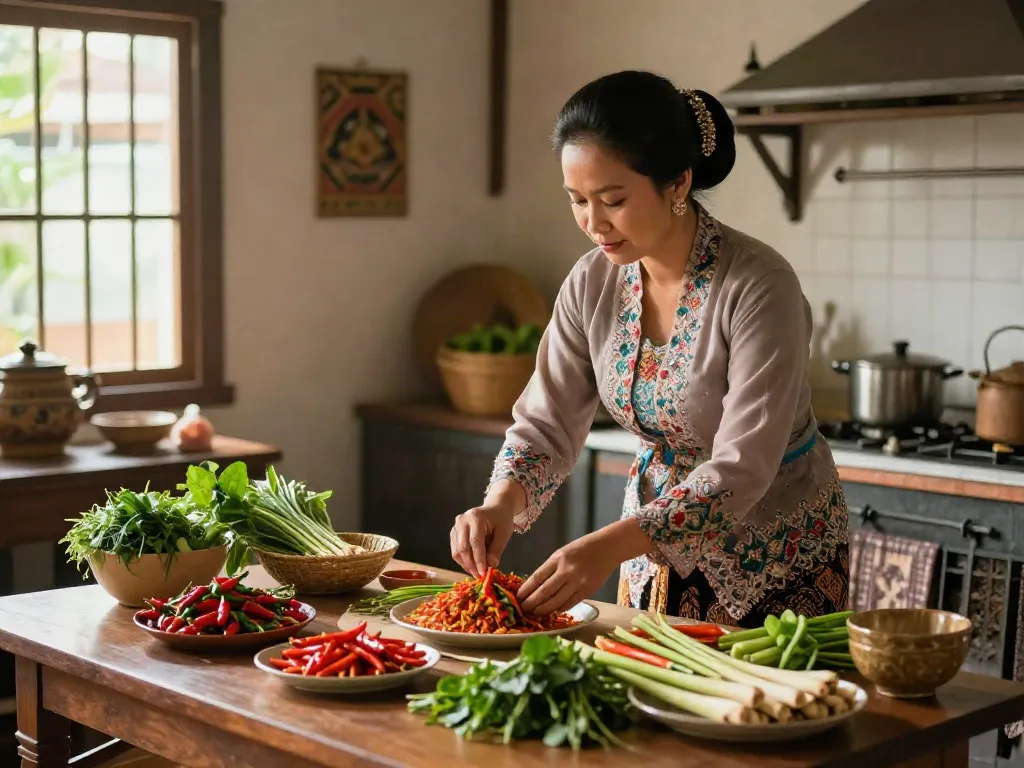
The origins of Nyonya cuisine date back to the 15th century when Chinese immigrants, known as the Hokkien and Cantonese, settled in the Malay Archipelago. These immigrants intermarried with local Malays, giving rise to the Peranakan community. Nyonya cooking is characterized by the use of local ingredients combined with Chinese cooking techniques, resulting in a unique culinary style that emphasizes freshness, flavor, and presentation. Traditional dishes often feature spices like lemongrass, galangal, and turmeric, which are staples in Malay cuisine, while using methods such as steaming, roasting, and stir-frying that are rooted in Chinese customs.
Cultural Significance of Nyonya Dishes
Nyonya dishes are more than just food; they are a reflection of cultural pride and identity. They are often prepared for significant events such as weddings, festivals, and family gatherings, where they serve as a way to bond and celebrate heritage. The act of cooking Nyonya dishes passes down traditions and family stories from generation to generation, reinforcing cultural ties within the community. Additionally, the aesthetic presentation of Nyonya food, often vibrant and intricate, speaks to the artistry involved in its preparation, making it a feast for both the palate and the eyes.
Key Ingredients in Nyonya Cuisine and Their Stories
The essence of Nyonya cuisine lies in its distinctive ingredients. Commonly used ingredients include:
- Sambal: A spicy chili paste that adds depth and heat to many Nyonya dishes.
- Kaffir lime leaves: Often used to enhance the aroma of curries and soups.
- Pandan leaves: Infuse a natural sweetness and fragrant aroma to desserts and rice dishes.
- Coconut milk: Adds richness and creaminess to curries and desserts, embodying the tropical essence of the region.
Each ingredient carries its own story, deeply intertwined with the cultural practices and agricultural heritage of the region. Understanding these components can elevate one's appreciation for Nyonya cuisine, as the flavors tell tales of tradition and innovation.
Essential Techniques for Mastering Nyonya Dishes
Mastering Nyonya cuisine requires not just a love for food but also a range of essential cooking techniques that can vary from simple to complex. Here, we’ll explore traditional cooking methods and tips for achieving authentic flavors in Nyonya dishes.
Traditional Cooking Methods and Tools
Traditional Nyonya cooking employs various methods that are integral to achieving the desired taste and texture. Techniques such as:
- Stir-frying: Quick and high-heat cooking that seals in flavors.
- Steaming: A method that preserves nutrients and enhances the natural flavors of ingredients.
- Slow-cooking: Typically used for curries to allow the spices to meld together beautifully.
Essential tools include a mortar and pestle (for grinding spices), a wok (for stir-frying), and traditional clay pots (for slow cooking). Each tool not only serves a functional purpose but also connects chefs to their culinary heritage.
Flavor Pairing: Creating the Perfect Nyonya Dish
The balance of flavors is crucial in Nyonya cooking. Mastering flavor pairing involves understanding how to harmonize sweet, sour, salty, and spicy elements. For instance, the sweetness of coconut milk can balance out the heat of sambal, while the tanginess of tamarind can enhance the overall profile of a dish. Experimenting with these combinations can lead to delightful results and innovative twists on traditional recipes.
Common Challenges in Nyonya Cooking and Solutions
While Nyonya cooking offers a rich experience, it can present certain challenges, such as:
- Ingredient Availability: Some traditional ingredients may not be accessible everywhere. Solutions include seeking out local Asian markets or online specialty stores.
- Time-Consuming Preparation: Many Nyonya dishes require extensive prep work. To manage this, consider meal prepping ingredients in advance or selecting simpler recipes for weeknight meals.
- Balancing Flavors: It can be tricky to achieve the right flavor balance. Keep tasting and adjust ingredients gradually until the desired harmony is reached.
By anticipating these challenges, cooks can approach Nyonya cuisine with confidence and creativity.
Modern Innovations in Nyonya Cuisine
As culinary landscapes evolve, so does Nyonya cuisine. Contemporary chefs are finding innovative ways to honor tradition while adapting to modern tastes. This section explores how Nyonya cuisine is experiencing a renaissance.
Adapting Traditional Recipes for Contemporary Tastes
Today’s chefs are reinterpreting classic Nyonya dishes by incorporating healthier alternatives, such as using quinoa instead of rice or substituting coconut milk with low-fat yogurt. This approach allows traditional Nyonya flavors to be enjoyed in a more health-conscious manner, appealing to a broader audience.
Fusion Cuisine: Blending Nyonya with Global Flavors
Fusion cuisine has become increasingly popular, with chefs creatively blending Nyonya dishes with global culinary traditions. For example, Nyonya laksa may be paired with Italian pasta, or Nyonya rendang could inspire a taco filling. This innovative approach not only attracts new diners but also showcases the adaptability of Nyonya cuisine.
Emerging Trends in Nyonya Dining Experiences
As diners seek unique culinary experiences, Nyonya restaurants are innovating their dining formats. This includes:
- Interactive Dining: Guests can participate in cooking classes or chef-led tastings.
- Themed Events: Restaurants are hosting Nyonya heritage nights to educate guests about the culture.
- Farm-to-Table Initiatives: Emphasizing fresh, locally-sourced ingredients as a nod to sustainability.
These trends are revitalizing interest in Nyonya cuisine and establishing it firmly within the global culinary scene.
Building Community Around Nyonya Culture
Nurturing a community around Nyonya cuisine plays a vital role in its preservation and promotion. Various initiatives are contributing to a broader understanding and appreciation of this culinary heritage.
Hosting Effective Nyonya Cooking Classes
Cooking classes are an excellent way to share Nyonya culture with both locals and visitors. These classes can be structured to include not only cooking techniques but also the history and stories behind each dish. Engaging storytelling can create a memorable experience that fosters respect and appreciation for this rich cuisine.
Promoting Nyonya Cuisine in Social Media
Social media platforms have become powerful tools for promoting Nyonya cuisine. Through visually captivating content, chefs and home cooks alike can share their Nyonya creations, inspiring others to explore this culinary space. A vibrant online community can offer support, tips, and foster collaboration among enthusiasts.
Case Studies of Successful Nyonya Restaurants
Examining successful Nyonya restaurants can provide insights into effective strategies for thriving in the culinary industry. Restaurants that combine authenticity with innovation tend to attract a diverse clientele. For instance, restaurants that offer modern takes on traditional dishes while maintaining cultural integrity often see increased patronage, as they appeal to both traditionalists and newcomers alike.
Looking Ahead: The Future of Nyonya Cooking in 2026
As we look to the future of Nyonya cuisine, we can predict various trends that will influence its evolution. The coming years will likely see a blend of tradition with modern culinary practices, leading to exciting new developments.
Predicting Culinary Trends Influencing Nyonya Cuisine
Looking toward 2026, several trends may shape Nyonya cuisine:
- Health-Conscious Choices: As consumers prioritize health, Nyonya dishes may incorporate superfoods and reduce reliance on heavy fats.
- Sustainable Practices: An increasing emphasis on sustainability could lead to a shift in sourcing practices, focusing on local and seasonal ingredients.
- Global Palate Preferences: As globalization continues, flavors from around the world may be integrated into Nyonya cooking, further diversifying its appeal.
Preserving Heritage: Innovations and Challenges
While innovation is essential, preserving the heritage of Nyonya cuisine remains crucial. Balancing modernization with tradition can present challenges, as culinary purists may resist changes to beloved recipes. Engaging both traditionalists and modernists in discussions about Nyonya cuisine can help navigate these challenges and foster a shared appreciation for the cuisine's rich history.
How Nyonya 4D Can Shape Food Culture in the Next Decade
The term "Nyonya 4D" encapsulates the multifaceted nature of Nyonya cuisine and its cultural significance. By focusing on the four dimensions of Nyonya cooking—heritage, innovation, community, and sustainability—this philosophy can guide future culinary endeavors. Engaging the next generation of chefs and food enthusiasts through education and accessible cooking resources is vital to ensuring the continuity and evolution of this cherished culinary tradition.
What are the key elements of Nyonya cuisine?
Key elements of Nyonya cuisine include its unique blend of Malay and Chinese flavors, the use of fresh herbs and spices, and traditional cooking techniques that emphasize balance and presentation.
How can I incorporate Nyonya cooking techniques at home?
Start by exploring traditional recipes and experimenting with essential tools like a wok or mortar and pestle. Focus on mastering fundamental techniques such as stir-frying, steaming, and balancing flavors.
What is the significance of Nyonya culture in today's culinary landscape?
Nyonya culture signifies a rich intersection of traditions and influences, showcasing the importance of culinary heritage in fostering community and identity. It reflects a dedication to preserving history while embracing innovation.
How do modern Nyonya restaurants adapt traditional recipes?
Modern Nyonya restaurants adapt traditional recipes by using healthier ingredients, experimenting with fusion styles, and appealing to contemporary dining preferences while maintaining authenticity.
What ingredients are essential in Nyonya cooking?
Essential ingredients in Nyonya cooking include sambal, coconut milk, lemongrass, galangal, and a variety of fresh herbs, which contribute to the distinct flavors characteristic of this cuisine.