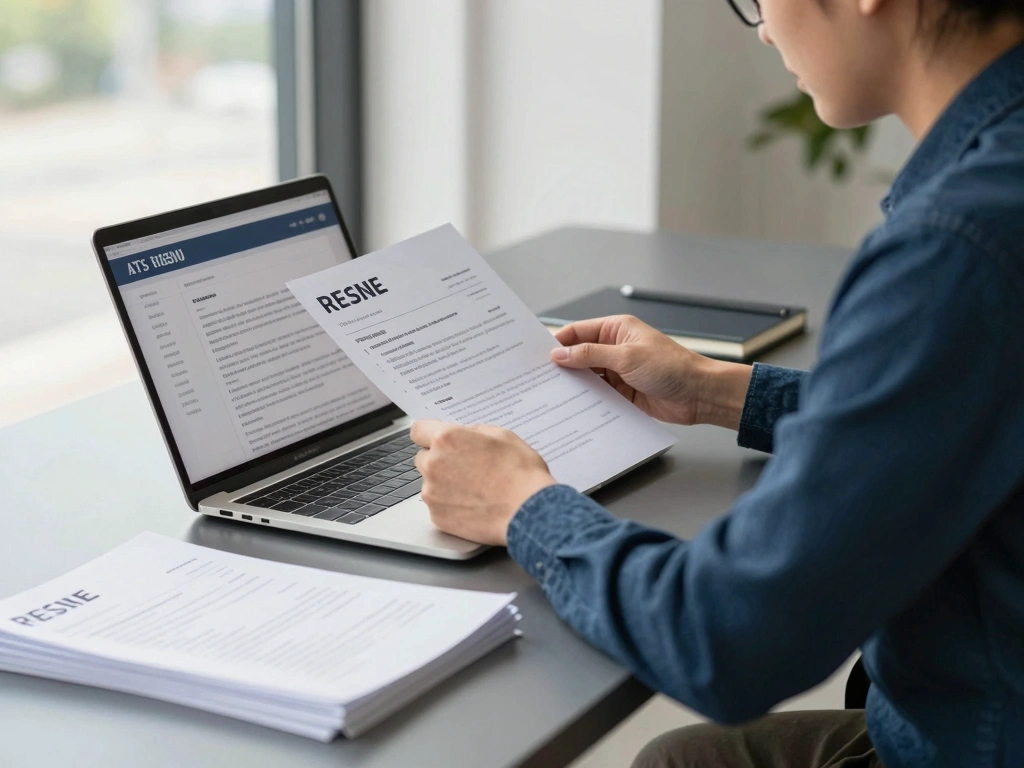
Understanding the Job Market Landscape in 2026
The job market in 2026 is characterized by rapid technological advancements and shifting employer expectations. The landscape continues to evolve, influenced by factors such as the rising importance of digital skills, remote work opportunities, and changing job seeker behaviors. As individuals navigate the complexities of securing employment, it’s crucial to understand current trends and effective strategies. For comprehensive insights on job searching, หางาน platforms can offer valuable resources tailored to the contemporary job seeker.
Current Trends in Job Seeking
In 2026, job seekers are expected to adopt a more strategic approach to their job search. Online platforms have become integral to this process, with many candidates using job boards and networking sites extensively. The shift towards remote work has also opened up opportunities for candidates to seek positions outside their geographical constraints. Another significant trend is the increasing popularity of hybrid work models, which allow employees to combine remote work with office presence.
- Greater emphasis on digital portfolios and online presence.
- Increased use of artificial intelligence to match candidates with suitable job openings.
- Networking and personal branding becoming essential for standing out.
The Impact of Technology on Hiring
Technology's influence on hiring processes is undeniable. Employers are increasingly utilizing artificial intelligence (AI) and machine learning to sift through resumes and identify the best candidates. This technological shift poses a challenge for job seekers; understanding how to optimize resumes for algorithmic scanning is critical. Moreover, video interviews have become a norm, necessitating candidates to be comfortable with digital communication platforms.
- Optimize your resume with keywords relevant to your industry.
- Practice for video interviews to improve your online presence.
- Leverage technology for virtual networking opportunities.
Shifts in Employer Expectations
Employers in 2026 expect candidates to possess not only hard skills but also soft skills, such as adaptability, communication, and problem-solving abilities. The growing remote work trend has led employers to actively seek candidates who can thrive in independent work environments. Furthermore, cultural fit and alignment with company values have become essential criteria in the hiring process.
Crafting an Effective Resume and Cover Letter
A strong resume and cover letter are essential tools for job seekers aiming to make a positive first impression. In 2026, personalization and clarity in these documents are more important than ever. Tailoring each application to the specific job and company can significantly increase a candidate's chances of gaining attention from hiring managers.
Essential Elements of a Strong Resume
To create a compelling resume, candidates should focus on several key elements. First, clarity is crucial; hiring managers skim resumes quickly, so using bullet points and clear headings to convey information quickly is vital. Second, incorporating metrics that showcase accomplishments, such as "increased sales by 30%," can set candidates apart. Lastly, ensuring the resume is error-free is fundamental, as small mistakes can detract from professionalism.
Personalizing Your Cover Letter
A personalized cover letter allows candidates to express genuine interest in the role and company. Candidates should address the hiring manager by name, mention specific details about the company, and align their experiences with the job requirements. Communicating enthusiasm and demonstrating knowledge about the company culture can enhance the impact of the cover letter.
Common Resume Mistakes to Avoid
When crafting resumes, candidates often fall into common pitfalls. One of the biggest mistakes is using a one-size-fits-all approach; failing to tailor resumes to specific job descriptions can lead to missed opportunities. Another common error is including irrelevant information, which can confuse hiring managers. Candidates should also avoid excessive jargon and focus on clarity and conciseness.
Navigating Job Search Platforms Efficiently
With the vast array of job search platforms available, navigating them effectively can make a significant difference in the job search process. Candidates should familiarize themselves with the functionalities of various platforms to maximize their job searching efforts.
Using Online Job Boards Effectively
Online job boards are powerful tools. Candidates should adopt a systematic approach to their searches. Setting up job alerts can help them stay informed about openings that match their criteria. Furthermore, leveraging filters to narrow down searches by location, industry, and job type can streamline the process significantly.
Leveraging Social Media for Job Opportunities
Social media plays an increasingly prominent role in job searching. Platforms like LinkedIn allow candidates to showcase their skills, network with industry professionals, and engage with potential employers. Building a robust online presence can make candidates more visible to recruiters and hiring managers.
Understanding Your Audience: Tailoring Applications
Every job application should be customized to the specific company and role. Researching the company culture, values, and recent news can provide candidates with insights to inform their applications. By aligning their skills and experiences with the employer's needs, candidates can improve their chances of standing out.
Preparing for Job Interviews
Preparation is key to success in job interviews. Candidates who invest time in understanding the interview process and practice common questions tend to perform better than those who do not.
Researching the Company and Role
Before an interview, candidates should have a deep understanding of the company and the specific role for which they are applying. Knowing the company’s mission, values, and recent developments can help candidates answer questions effectively and show genuine interest.
Common Interview Questions and How to Answer Them
Common interview questions include inquiries about strengths, weaknesses, and conflict resolution. Candidates should prepare structured responses using the STAR (Situation, Task, Action, Result) method to demonstrate their problem-solving abilities and showcase their experiences effectively.
Post-Interview Follow-Up Practices
Following up after an interview is a critical step in the job search process. Sending a thank-you email can reinforce candidates' interest in the role and leave a positive impression with the interviewers. Candidates should express gratitude for the opportunity and briefly reiterate their qualifications.
Networking for Career Advancement
Networking remains a vital strategy for career advancement in 2026. Building and nurturing professional relationships can open doors to new opportunities and provide valuable industry insights.
Building a Professional Network Online
In the digital age, professional networking can primarily occur online. Utilizing platforms like LinkedIn to connect with industry professionals, joining relevant groups, and engaging in discussions can enhance visibility and lead to potential job opportunities.
Attending Industry Events and Job Fairs
Attending industry events and job fairs can provide face-to-face networking opportunities. Candidates should prepare their elevator pitches and bring business cards to effectively introduce themselves to potential employers and contacts.
Seeking Mentorship for Career Growth
Finding a mentor can significantly impact career advancement. Mentorship provides guidance, knowledge, and networking opportunities. Candidates should actively seek mentors in their desired field to gain insight and receive valuable advice on navigating their careers.
What are the best job search sites in 2026?
In 2026, popular job search sites include Indeed, Glassdoor, and specialized platforms catering to specific industries. Each platform offers unique functionalities, and job seekers should explore multiple options to broaden their search.
How to improve my resume for an online application?
Improving a resume for online applications involves optimizing for applicant tracking systems (ATS) by using relevant keywords from job descriptions, maintaining a clean format, and focusing on measurable achievements.
What are the top skills employers are looking for?
Top skills employers seek in 2026 include digital literacy, critical thinking, emotional intelligence, and adaptability. Candidates should focus on developing these skills to remain competitive in the job market.
How can I use social media to find a job?
Using social media effectively for job hunting involves optimizing profiles, engaging with industry-related content, and actively networking. Candidates can follow companies of interest and participate in discussions to increase their visibility.
What should I do if I don't hear back after an interview?
If candidates do not hear back after an interview, they should wait about a week before sending a polite follow-up email to express continued interest and inquire about the status of their application.